What Makes a High-Quality Sports Jersey? Fabric, Stitching and Printing Guide
Quality is more than appearance
A sports jersey should look good, fit properly and suit the activity for which it is made. A bright design alone does not guarantee quality. Fabric, pattern, stitching, printing, personalization and finishing all contribute to the finished garment.
1. Check the fabric specification
Ask about fibre composition, fabric weight, knit structure and finish. Polyester and microfiber fabrics are common in performance jerseys, but they are available in many grades and constructions. A suitable fabric should match the intended sport, climate, fit and printing process.
2. Evaluate comfort and fit
A jersey should allow the player to move comfortably. Check the shoulder width, chest, body length, sleeve opening and overall fit against a size chart. Teams should not assume that the same size label fits identically across manufacturers. Review measurements before submitting the final player list.
3. Inspect stitching and seams
Look for even stitching, secure seams and clean finishing around the collar, sleeves and side panels. Loose threads, skipped stitches, uneven seam lines or puckering can affect appearance and durability. Construction details should suit the garment's intended use.
4. Review print quality
For sublimated jerseys, inspect colour consistency, edge definition, fine details and alignment across panels. For DTF or screen-printed graphics, check placement and the finish of the printed area. Embroidered logos should have clean outlines and secure stitching. The method should be appropriate for the fabric and artwork.
5. Check names, numbers and logos
Personalization errors can make an otherwise good order unusable for a player. Verify every name, number, sponsor logo and crest against the approved list. Check spelling, font, size and placement. Use one final order sheet to confirm the complete set.
6. Confirm colour and design consistency
Compare the finished garments with the approved artwork or reference. Screen settings, fabric and printing processes can affect how colours appear. For important brand colours, communicate reference values and ask how colour matching will be handled. Review a sample when exact consistency is essential.
7. Inspect measurements and sizing
Measure garments using a consistent method and compare them with the agreed size chart. Check representative pieces across the size range, not only one sample. For youth teams, take extra care to select suitable measurements rather than relying only on age.
8. Review finishing and packing
Check loose threads, labels, collar shape, garment cleanliness and packing. Count the pieces and compare sizes and player details with the order list. Proper packing helps protect the products during storage and delivery.
Sports jersey quality checklist
- Fabric composition and weight confirmed
- Fit and size chart approved
- Stitching and seams checked
- Print or embroidery finish inspected
- Colours and panel alignment reviewed
- Names, numbers and logos verified
- Measurements and quantities checked
- Finishing and packaging completed
How to protect quality when ordering
Share clear artwork and accurate size information. Approve the final mockup and specifications before production. Ask the manufacturer which fabric and printing method are being used, and agree on how defects or discrepancies will be reviewed. Written approvals make expectations clear to both sides.
Custom sportswear from Diamond City Wear
Diamond City Wear manufactures custom jerseys, shorts and other sportswear in Nepal. The team can discuss fabric options, sublimation printing, DTF, screen printing, embroidery and garment requirements based on the product. Share your design and order details to review the suitable production options.
Choose quality with clear specifications
The best way to get the jersey you expect is to define quality before production. Confirm fabric, fit, printing, stitching, personalization and inspection requirements in writing, then compare the finished order with the approved specification.
Related stories
 Sportswear
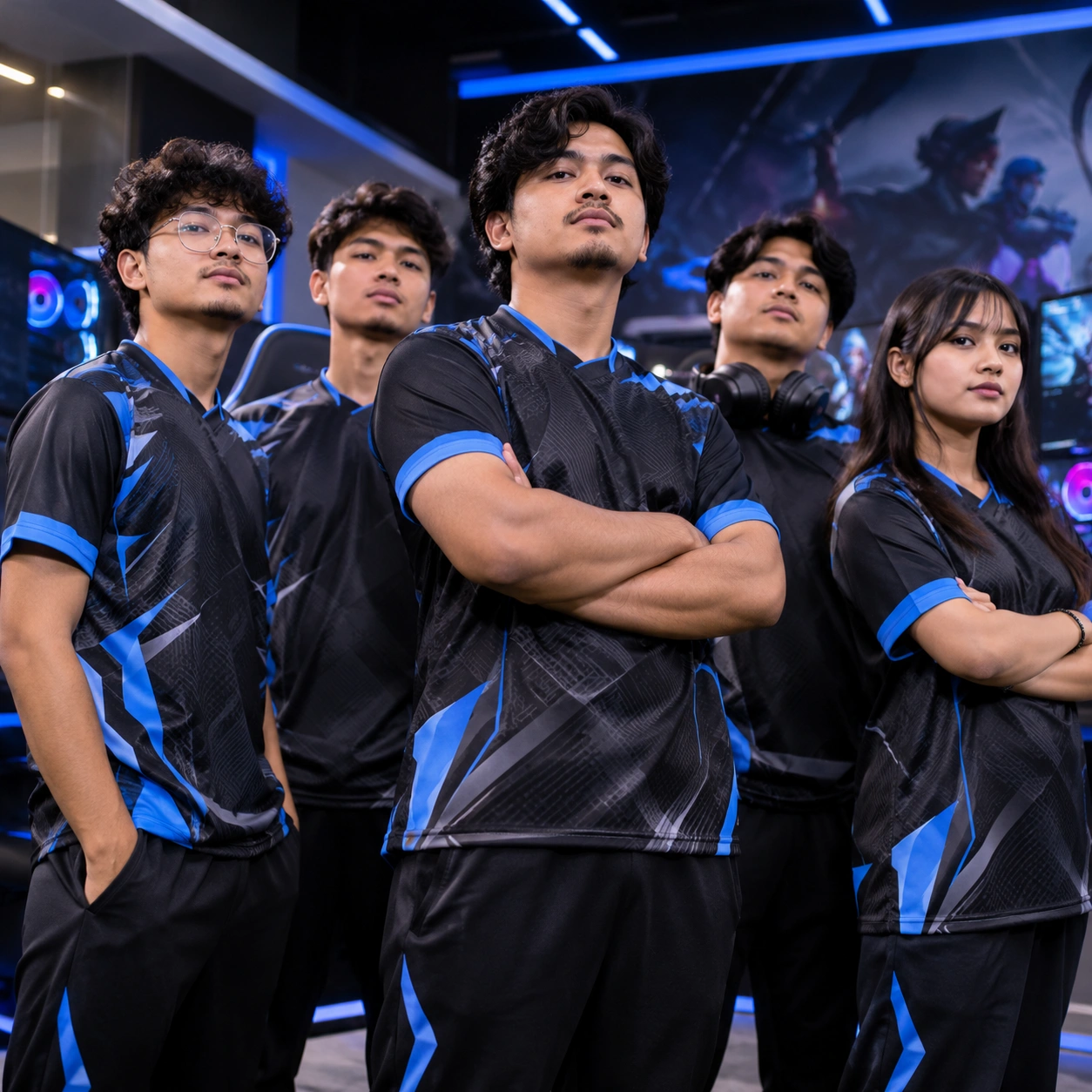
Custom Esports Jersey Manufacturer in Nepal: Design, Printing and Bulk Production
Explore custom esports jersey design and manufacturing in Nepal, including team branding, sublimation printing, player names, sponsor logos and bulk production planning with Diamond City Wear.
Custom Rugby Jersey Manufacturing in Nepal: Design, Fabric and Teamwear
A practical guide to custom rugby jerseys in Nepal, covering team design, garment construction considerations, branding, player details and bulk teamwear orders.
Custom Basketball Shorts Manufacturer in Nepal: Team Shorts, Printing and Bulk Orders
Learn how to plan custom basketball shorts in Nepal, including team colors, fit, waistband details, logo placement, matching jerseys and bulk order preparation.