How to Choose a Reliable Sportswear Manufacturer in Nepal
Choosing the right manufacturing partner
The right sportswear manufacturer should understand the product, explain the production process and communicate clearly about cost and timing. Whether you represent a football club, school, academy, retailer or clothing brand, a careful supplier evaluation can reduce errors and help protect your order.
1. Check relevant product experience
Ask whether the manufacturer regularly produces the type of sportswear you need. Football jerseys, cricket kits, basketball uniforms, cycling apparel and tracksuits have different construction and fit requirements. Look for examples that match your product category and ask what parts of production are handled in-house or through partners.
2. Understand fabric options
Fabric affects comfort, durability, appearance and cost. Ask for the fabric composition, weight and performance characteristics. For sports jerseys, lightweight polyester and microfiber options are commonly used. For hoodies or jackets, the suitable material will be different. Confirm specifications rather than choosing based only on a fabric name.
3. Compare printing and branding methods
Sublimation is often suitable for full-colour designs on compatible polyester fabrics. DTF and screen printing can work for selected graphics, while embroidery can add a stitched logo finish. A capable supplier should explain which process suits your artwork and garment.
4. Ask about minimum order quantity
Confirm the MOQ for each product and design. Diamond City Wear's standard MOQ for custom jerseys and shorts is five pieces per design. Other categories may have different minimums. Also ask whether sizes can be mixed and how a change in colour or artwork affects the minimum.
5. Review the design approval process
Before production, the supplier should provide a clear mockup or specification for approval. Check logo placement, colours, names, numbers, sponsor positions, collar, sleeves and garment panels. Make sure the final approved version is retained.
6. Look for quality control
Quality checks can include fabric inspection, measurement verification, print alignment, stitching, loose threads, finishing and packing. Ask when inspections happen and how defects are handled. For larger orders, agree on acceptable tolerances and inspection expectations in advance.
7. Evaluate communication
Good communication is essential when custom products include many player names, numbers and sizes. Notice whether the supplier responds clearly, asks relevant questions and records decisions. A single confirmed order sheet is safer than scattered instructions across multiple messages.
8. Compare complete quotations
Compare quotations using the same specifications. Check unit price, quantity, fabric, printing, customization, packaging, taxes, shipping and payment terms. A lower headline price may exclude important items. Ask for a realistic production estimate and clarify when the timeline starts.
9. Check shipping and after-sales support
For orders outside Nepal, clarify shipping method, tracking, customs responsibilities and delivery address. Ask how the supplier handles missing items, production errors or repeat orders. Keep written records of the agreed solution and responsibilities.
Questions to ask a manufacturer
- Which sportswear products do you manufacture?
- What fabrics and printing methods are available?
- What is the MOQ per design?
- Can you provide a mockup or sample for approval?
- How do you check sizes, stitching and print quality?
- What are the payment terms and production estimate?
- Can you ship to my location, and what costs are separate?
Why consider Diamond City Wear?
Diamond City Wear is a Kathmandu-based custom sportswear manufacturer offering jerseys, shorts, tracksuits, jackets, hoodies, polos and related apparel. The team works with customization methods including sublimation, DTF, screen printing and embroidery, depending on product requirements. Buyers can share their design, quantity and delivery details to discuss a suitable order.
Make the decision using evidence
Choose a supplier whose product experience, process, communication and quotation match your needs. Clear specifications and approvals help both sides deliver the expected result.
Related stories
 Sportswear
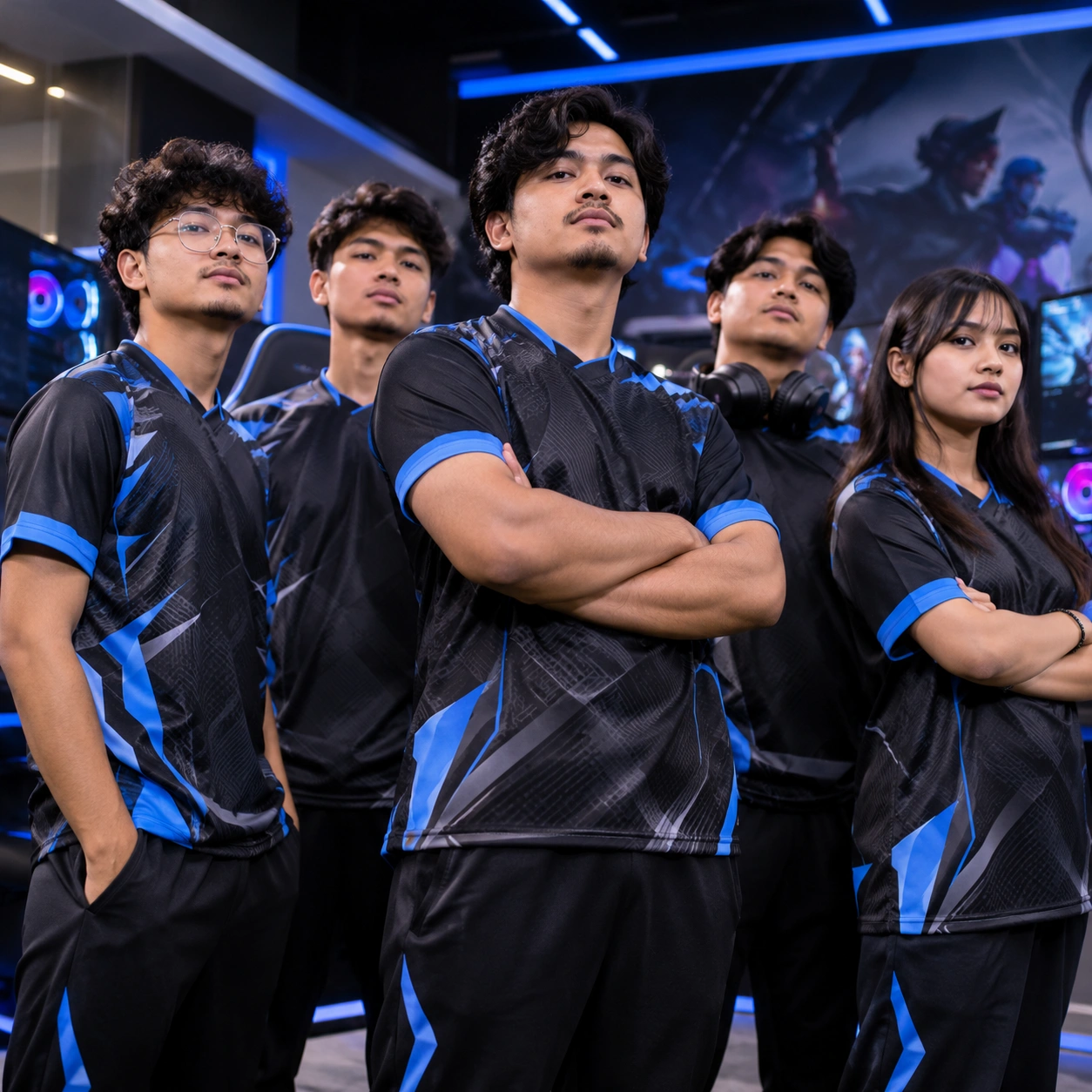
Custom Esports Jersey Manufacturer in Nepal: Design, Printing and Bulk Production
Explore custom esports jersey design and manufacturing in Nepal, including team branding, sublimation printing, player names, sponsor logos and bulk production planning with Diamond City Wear.
Custom Rugby Jersey Manufacturing in Nepal: Design, Fabric and Teamwear
A practical guide to custom rugby jerseys in Nepal, covering team design, garment construction considerations, branding, player details and bulk teamwear orders.
Custom Basketball Shorts Manufacturer in Nepal: Team Shorts, Printing and Bulk Orders
Learn how to plan custom basketball shorts in Nepal, including team colors, fit, waistband details, logo placement, matching jerseys and bulk order preparation.