How to Calculate Custom Jersey Manufacturing Costs in Nepal
What determines the price of a custom jersey?
Custom jersey pricing depends on more than the printed design. Fabric, garment construction, printing method, quantity, personalization and delivery all influence the final quotation. Understanding these cost factors helps teams and buyers compare offers using the same specifications.
1. Fabric and material cost
Fabric is a major part of the garment cost. Polyester, microfiber and other performance knits can vary by composition, weight, construction and finish. A fabric selected for a lightweight match jersey may cost differently from a heavier training or outerwear material. Ask for the actual specification rather than comparing only by a general fabric name.
2. Printing method and artwork complexity
Sublimation can be suitable for full-colour designs on compatible polyester fabric. DTF, screen printing and embroidery have different setup and production requirements. The number of print locations, artwork size, colour coverage and finishing can affect the cost. Confirm which branding method is included in the quoted rate.
3. Cutting, stitching and construction
Garment panels, collar style, sleeve type, special trims, mesh inserts and construction details affect labour and material use. A simple jersey may have a different production cost from a more complex design with several panels or special finishes. Ask the manufacturer to describe what is included in the product specification.
4. Personalization
Player names, numbers, sponsor logos and individual customization may affect the price depending on the process and quantity. Provide the full personalization list before requesting a quotation. This helps avoid extra charges or delays after the order is confirmed.
5. Order quantity
Quantity can affect material planning, setup time and production efficiency. Some costs are spread across more pieces in larger orders, but the exact pricing structure depends on the product and supplier. Diamond City Wear's standard MOQ for custom jerseys and shorts is five pieces per design. Confirm current pricing for the actual quantity and design.
6. Sampling and design work
Some orders require additional artwork development, sample production or revisions. Ask whether these are included in the quotation or charged separately. Approving the final artwork before production helps reduce avoidable rework.
7. Packaging, taxes and delivery
Clarify whether individual packaging, bulk cartons, taxes, shipping and local delivery are included. For international orders, include freight, customs duties, clearance and any destination charges in the landed-cost calculation. These costs can differ substantially by destination and shipping method.
A simple cost calculation
A useful starting formula is:
Total order cost = (unit manufacturing cost × quantity) + setup or sampling charges + packaging + taxes + shipping and other agreed fees.
Unit landed cost = total order cost ÷ quantity.
For example, if a hypothetical order has a manufacturing rate of NPR 800 per jersey for 20 pieces, the manufacturing subtotal is NPR 16,000. If packaging, delivery or taxes apply, add those costs before calculating the final landed cost. This example is only for explaining the calculation, not a current DCW quotation.
How to compare quotations fairly
Make sure every supplier is quoting the same fabric, design, quantity, size range, printing, names, numbers and packaging. Check payment terms and production estimates as well. A lower unit price may exclude services that another supplier has included.
What to send for an accurate quotation
- Jersey design or reference image
- Quantity per design
- Fabric or product preference
- Size breakdown
- Names, numbers and sponsor logos
- Required delivery location and date
- Any special construction or packaging request
Get a custom jersey quotation from DCW
Diamond City Wear manufactures custom sportswear in Nepal, including football, cricket, basketball and volleyball jerseys and shorts. Send the design, quantity, size breakdown and customization details to discuss the current rate and production plan for your order.
Related stories
 Sportswear
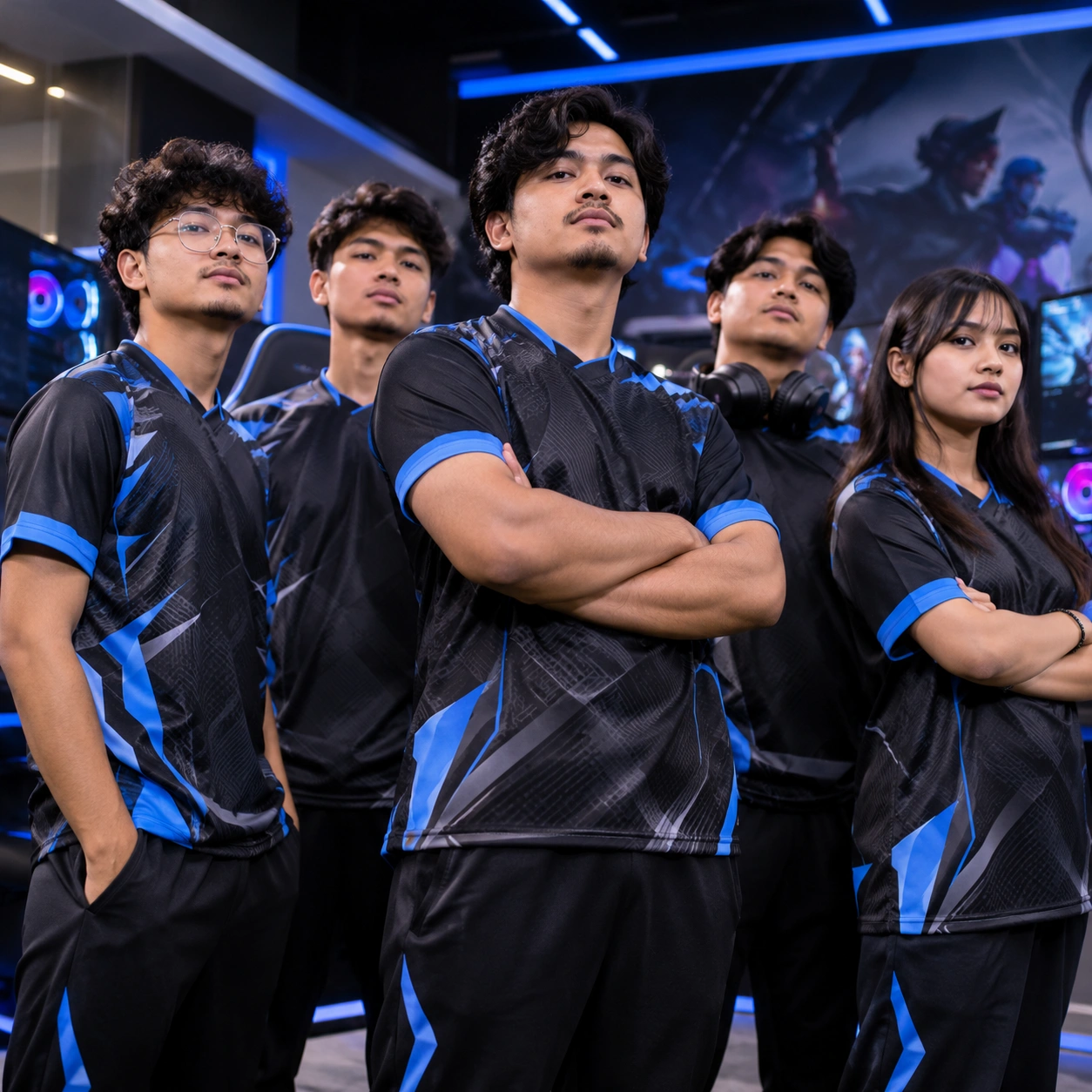
Custom Esports Jersey Manufacturer in Nepal: Design, Printing and Bulk Production
Explore custom esports jersey design and manufacturing in Nepal, including team branding, sublimation printing, player names, sponsor logos and bulk production planning with Diamond City Wear.
Custom Rugby Jersey Manufacturing in Nepal: Design, Fabric and Teamwear
A practical guide to custom rugby jerseys in Nepal, covering team design, garment construction considerations, branding, player details and bulk teamwear orders.
Custom Basketball Shorts Manufacturer in Nepal: Team Shorts, Printing and Bulk Orders
Learn how to plan custom basketball shorts in Nepal, including team colors, fit, waistband details, logo placement, matching jerseys and bulk order preparation.