How Sublimation Jersey Printing Works: Step-by-Step Guide
What is sublimation printing?
Sublimation printing is a process used to transfer dye into compatible synthetic fabric, commonly polyester. It is popular for custom sports jerseys because it can reproduce detailed graphics, gradients, patterns, numbers and multiple colours across garment panels. The final result depends on the fabric, ink, paper, equipment and process settings.
Why polyester is commonly used
Sublimation works best on suitable polyester materials because the dye bonds with the synthetic fibres under heat. Fabric composition matters: a high cotton content is generally not suitable for the same all-over sublimation result. Confirm the fabric specification with the manufacturer before choosing the printing process.
Step 1: Prepare the digital artwork
The jersey design is prepared digitally using the garment pattern and required panel dimensions. Logos, sponsor marks, player names, numbers and decorative graphics are placed according to the approved layout. Artwork should be checked for spelling, scale, colour and positioning before printing.
Step 2: Print the transfer paper
The artwork is printed in reverse onto specialized sublimation transfer paper using compatible sublimation inks. The printed paper carries the dye that will be transferred to the fabric. Correct colour management and printer settings help produce a more consistent result.
Step 3: Prepare the fabric
Compatible polyester fabric is prepared and aligned with the printed transfer paper. Clean handling and accurate positioning are important. The fabric and paper should be matched to the correct design panels so graphics appear in the intended location after transfer.
Step 4: Apply heat and pressure
The transfer paper and fabric pass through suitable heat-transfer equipment. Heat causes the sublimation dye to turn into gas and bond with the polyester fibres. Temperature, pressure and time must follow the equipment, ink and fabric requirements. Incorrect settings can affect colour, sharpness or fabric quality.
Step 5: Separate the paper and inspect
After transfer, the paper is removed and the printed fabric is checked. Inspect colour, fine details, alignment and any unwanted marks. The printed panels are then prepared for cutting and garment assembly when the order requires cut-and-sew construction.
Step 6: Cut and stitch the jersey
Fabric panels are cut according to the approved pattern and size. The pieces are assembled through stitching, including sleeves, sides, shoulders and collar. The manufacturer should check that artwork alignment remains consistent across the seams and panels.
Advantages of sublimation for jerseys
- Supports detailed, multi-colour artwork.
- Suitable for all-over designs on compatible polyester.
- Can reproduce gradients, patterns and complex graphics.
- The dye becomes part of the fabric rather than forming a thick surface layer.
Important limitations
Sublimation is not equally suitable for every fabric. It is generally intended for compatible synthetic materials, and the final colour can be influenced by the base fabric colour. Artwork, fabric and process settings must be checked together. Buyers should ask for a sample or reference when colour accuracy is especially important.
Sublimation at Diamond City Wear
Diamond City Wear offers custom sportswear printing and manufacturing in Nepal, including sublimation-based jersey designs where suitable. Customers can share their sport, design reference, quantity, size list and logo files for review. Final fabric and production details should be confirmed before an order is approved.
Prepare your jersey design
For a smooth order, provide clear artwork and check the final mockup carefully. Confirm fabric compatibility, names, numbers and logo positions before printing begins.
Related stories
 Sportswear
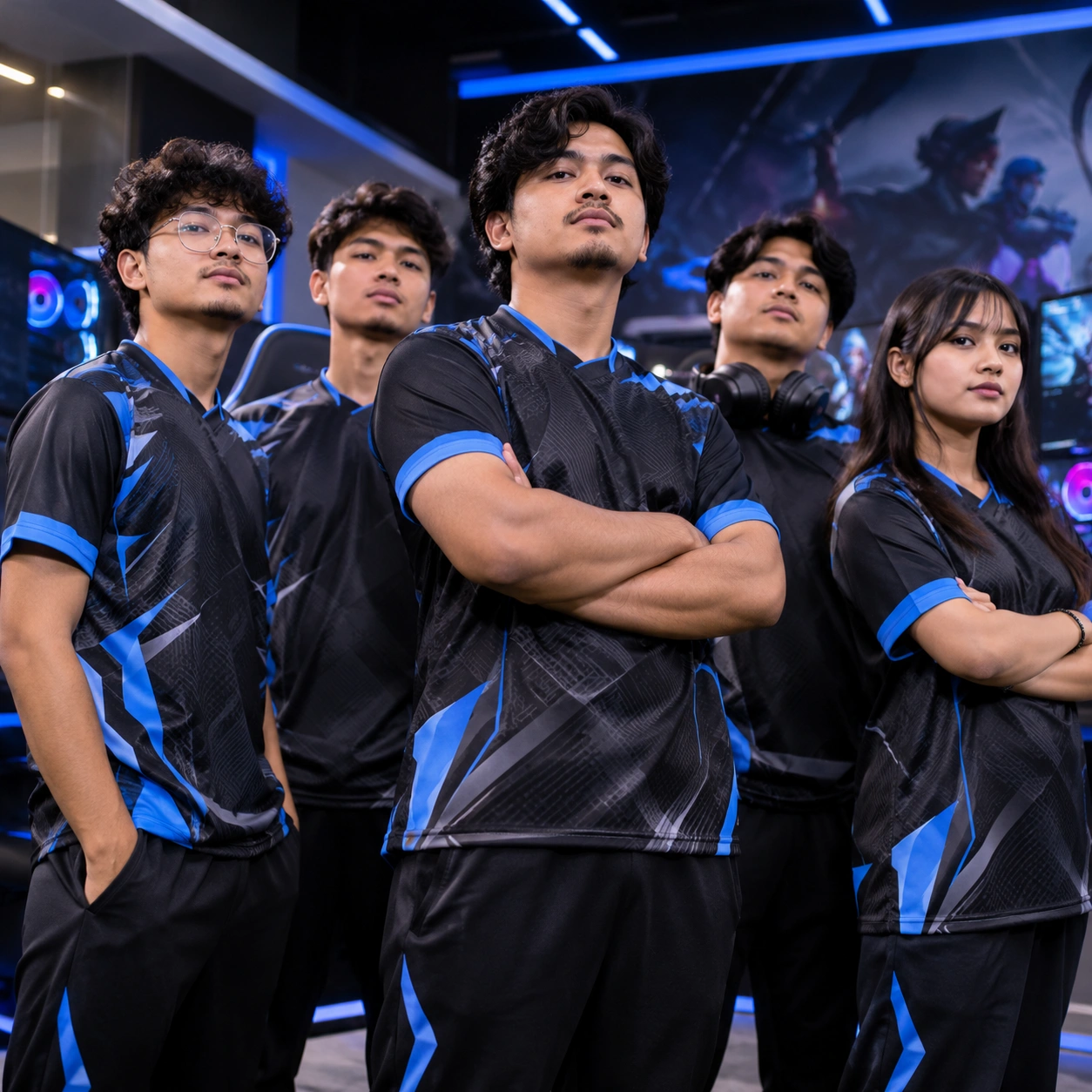
Custom Esports Jersey Manufacturer in Nepal: Design, Printing and Bulk Production
Explore custom esports jersey design and manufacturing in Nepal, including team branding, sublimation printing, player names, sponsor logos and bulk production planning with Diamond City Wear.
Custom Rugby Jersey Manufacturing in Nepal: Design, Fabric and Teamwear
A practical guide to custom rugby jerseys in Nepal, covering team design, garment construction considerations, branding, player details and bulk teamwear orders.
Custom Basketball Shorts Manufacturer in Nepal: Team Shorts, Printing and Bulk Orders
Learn how to plan custom basketball shorts in Nepal, including team colors, fit, waistband details, logo placement, matching jerseys and bulk order preparation.